Table of Contents
ToggleRoots Blower in Wastewater Treatment : How It Works, Maintenance, and Efficiency Tips
What is a roots blower in wastewater treatment?
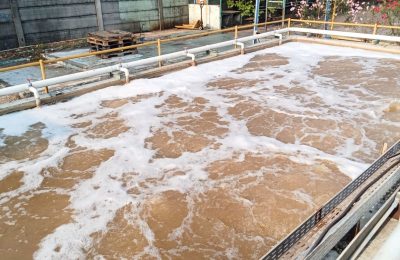
A Roots blower, sometimes searched for as a root blower, is a type of positive displacement blower commonly used to supply air in wastewater treatment systems.In a typical activated sludge or biological treatment process, microorganisms require oxygen to break down organic pollutants. A blower supplies compressed air through piping to diffusers installed inside the aeration basin. The diffusers then distribute this air into the wastewater as bubbles.A wastewater aeration system normally includes the blower, air piping, diffusers, valves, instrumentation, and controls. Together, these components deliver the oxygen required by the biological treatment process.Roots-type blowers belong to the positive displacement blower category. Wastewater aeration blowers are generally divided into positive displacement and centrifugal technologies, with Roots-type lobe blowers being one widely used positive displacement design.
how does a roots blower work?
A Roots blower typically contains two synchronized lobed rotors rotating inside a casing.
As the rotors turn:
1. Air enters through the blower inlet.
2. A fixed volume of air becomes trapped between the rotor and casing.
3. The rotors carry the air toward the discharge side.
4. The air is released into the discharge piping.
5. System resistance creates the operating discharge pressure.
Unlike many conventional compressors, a Roots blower does not rely primarily on internal compression inside the rotor chamber. Instead, it continuously moves volumes of air from the inlet toward the higher-pressure discharge system.
This positive displacement principle allows the blower to deliver relatively predictable airflow, making the technology useful for wastewater applications that require continuous aeration.
why are roots blowers used for wastewater aeration?
Aeration is essential in many biological wastewater treatment systems.
Air supplied by the blower helps provide oxygen for microorganisms responsible for removing organic material and, where applicable, supporting nitrification. Air movement can also contribute to mixing within the aeration basin.
Roots blowers have traditionally been popular in wastewater treatment because they offer several practical characteristics.
1.Reliable Air Delivery
Positive displacement blowers can provide consistent air delivery across their designed operating range. This is useful when operators need dependable aeration despite changes in basin conditions.
2. Simple and Proven Design
Roots blowers have relatively straightforward mechanical construction. Operators familiar with industrial rotating equipment can usually establish practical inspection and preventive-maintenance routines.
3. Suitable for Continuous Operation
Properly selected and maintained blowers can operate continuously, which is important because many wastewater biological processes require aeration around the clock.
4. Flexible Capacity Control
Depending on the blower design, airflow may be adjusted using blower speed, a variable-frequency drive (VFD), staging multiple blowers, or another control method recommended by the manufacturer.
The correct control strategy should always consider the blower’s operating limits and the requirements of the complete aeration system.
The Roots Blower Is Only Part of the Aeration System
One of the most important points for wastewater operators is that blower performance cannot be evaluated independently from the rest of the aeration system.
The blower may be operating correctly while oxygen transfer remains poor because of problems elsewhere.
Possible causes include:
· Dirty or clogged diffusers
· Restricted inlet filters
· Closed or incorrectly positioned valves
· Air leaks
· Excessive piping pressure loss
· Fouled aeration equipment
· Incorrect dissolved oxygen control
· Changes in wastewater loading
· Instrumentation problems
The U.S. Department of Energy notes that blower efficiency is closely connected with air distribution, while wastewater aeration systems combine blowers, piping, diffusers, and controls to meet biological oxygen demand.
Operators should therefore troubleshoot the complete air system, rather than immediately assuming the blower is responsible whenever dissolved oxygen falls.
Important Roots Blower Parameters Operators Should Monitor
Routine operating data can help detect developing problems before they lead to downtime.
Discharge Pressure
Increasing discharge pressure can indicate greater resistance somewhere in the aeration system.
Possible causes include diffuser fouling, restricted piping, incorrect valve positions, or changes in basin operating conditions.
Always compare actual pressure with the blower manufacturer’s allowable operating range.
Discharge Temperature
Air temperature normally increases during blower operation. However, an unusual or continuing increase in discharge temperature deserves investigation.
Possible causes may include excessive pressure, poor ventilation, unsuitable operating conditions, or mechanical problems.
Inlet Filter Condition
A dirty inlet filter increases resistance before air enters the blower.
Operators should inspect and replace or clean filters according to the manufacturer’s recommendations and actual site conditions.
Lubrication
Where the blower uses oil-lubricated bearings or timing gears, check:
· Oil level
· Oil condition
· Leakage
· Correct lubricant type
· Recommended replacement interval
Always follow the specific blower manufacturer’s lubrication requirements.
Vibration and Noise
Changes from normal vibration or sound can provide an early warning of mechanical problems.
Investigate unusual knocking, rubbing, increasing vibration, abnormal gear noise, or changes in bearing sound rather than waiting for the blower to fail.
Motor Current and Power
Changes in motor current can provide useful information about blower loading.
An increase in power consumption combined with increasing discharge pressure, for example, may indicate that the blower is working against greater system resistance.
Common Roots Blower Problems in Wastewater Plants
Low Airflow
If aeration appears insufficient, check:
· Blower speed
· Inlet filter
· Belt condition, if applicable
· Air leaks
· Valve position
· Blower condition
· Discharge pressure
· Diffuser condition
EPA wastewater troubleshooting guidance notes that insufficient aeration can result from either operational issues or mechanical problems such as restricted airflow or inadequate blower output.
High Discharge Pressure
A rising pressure reading should not automatically lead operators to increase blower capacity.
First determine why resistance has increased.
Check the air piping, valves, headers, diffusers, and other downstream equipment.
High Temperature
Excessive temperature may be associated with high operating pressure, inadequate ventilation, incorrect blower operation, or mechanical problems.
Compare temperatures against the manufacturer’s specifications rather than relying only on a general temperature limit.
Excessive Noise or Vibration
Potential causes include:
· Bearing wear
· Coupling problems
· Belt misalignment
· Loose mounting
· Gear wear
· Rotor problems
· Improper installation
Record normal vibration and sound conditions when equipment is healthy. A historical baseline makes changes easier to identify.
How to Improve Roots Blower Energy Efficiency
Energy efficiency deserves particular attention in wastewater treatment.
Aeration is often one of the largest energy users in an activated sludge facility, and the blowers supplying the aeration system are a major part of this demand. DOE guidance notes that aeration can account for more than half of plant energy use in many activated sludge facilities.
Operators can improve system efficiency by focusing on several areas.
Match Air Supply to Actual Process Demand
Supplying more air than the biological process needs wastes energy.
Dissolved oxygen monitoring and appropriate process controls can help adjust blower output according to treatment requirements.
Keep Diffusers in Good Condition
A fouled diffuser can increase resistance and reduce effective oxygen transfer.
That means the blower may consume more energy while the treatment process receives less benefit.
Maintain Clean Inlet Filters
Restricted filters force the blower system to operate under less favorable conditions. Filter inspection should therefore be part of normal preventive maintenance.
Review Pressure Trends
Do not consider pressure only when an alarm occurs.
Tracking discharge pressure over weeks or months can help operators identify gradual changes caused by fouling or system restrictions.
Use Appropriate Blower Controls
Where suitable for the equipment, speed control can help match airflow with demand rather than continuously producing excess air.
However, every blower has an allowable operating envelope. Minimum speed, maximum temperature, pressure limits, motor loading, and other manufacturer requirements must always be respected.
Roots Blower Maintenance Checklist
A practical preventive-maintenance program may include the following checks:
Daily or routine operating checks
· Record discharge pressure
· Record operating temperature
· Observe blower noise
· Check vibration
· Check oil level where applicable
· Review motor current
· Check dissolved oxygen response
Periodic checks
· Inspect inlet filters
· Check belts and tension where applicable
· Inspect couplings
· Check mounting bolts
· Inspect air leaks
· Verify relief valve condition
· Inspect check valves
· Review lubrication condition
· Inspect ventilation around the blower
Long-term maintenance
Follow the manufacturer’s recommended intervals for bearings, timing gears, seals, lubricant replacement, belts, filters, and major overhaul activities.
Maintenance intervals should be based on the specific blower model, operating hours, environmental conditions, and manufacturer instructions.
How to Select a Roots Blower for Wastewater Treatment
Selecting a wastewater blower based only on motor power or pipe diameter can result in poor performance.
Important design information includes:
Required Airflow
Determine the minimum, normal, and maximum air requirements of the treatment process.
Required Pressure
Blower discharge pressure must overcome the complete resistance of the aeration system, including water depth, diffuser pressure loss, piping losses, valves, fittings, and other restrictions.
Operating Range
Wastewater oxygen demand is rarely constant.
Consider how much the required airflow changes between low-load and peak-load conditions.
Site Conditions
Ambient temperature, elevation, humidity, ventilation, and installation environment can affect blower selection and performance.
Noise
Roots blowers can produce significant mechanical and air pulsation noise. Appropriate silencers, enclosures, foundations, and installation practices may therefore be required.
Redundancy
Wastewater plants often require backup capacity because loss of aeration can directly affect biological treatment.The required redundancy philosophy depends on the importance of the process and site operating requirements.
Life-Cycle Cost
The lowest purchase price does not necessarily produce the lowest operating cost.
Evaluate:
· Initial investment
· Electricity consumption
· Maintenance
· Spare parts
· Expected operating hours
· Control capability
· Reliability
· Service support
Because aeration is such an important energy consumer, blower selection should be evaluated as a long-term operating decision rather than only a capital purchase.
Frequently Asked Questions About Roots Blowers
What is a Roots blower used for in wastewater treatment?
A Roots blower supplies air to processes such as diffused aeration. The air helps provide oxygen required by microorganisms involved in biological wastewater treatment.
Is a root blower the same as a Roots blower?
The term “root blower” is commonly used in searches and informal conversation. “Roots blower” or “Roots-type blower” is the conventional technical terminology for this type of positive displacement lobe blower.
Why does Roots blower pressure increase?
Higher pressure normally means the blower is operating against greater system resistance. Operators should investigate components such as filters, valves, piping, headers, and diffusers and compare conditions with the system design.
How often should a Roots blower be serviced?
There is no universal service interval for every Roots blower. Maintenance should follow the blower manufacturer’s instructions and consider operating hours, loading, environmental conditions, lubricant condition, and historical equipment performance.
Can a VFD be used with a Roots blower?
Many Roots blower systems can use variable-speed control, but the allowable speed and operating range depend on the specific blower, motor, and system design. Manufacturer limits should always be checked before changing blower speed.
Conclusion
A Roots blower may look like a relatively simple piece of equipment, but its performance has a direct relationship with the entire wastewater aeration system.
For operators, effective blower management means looking beyond whether the machine is simply running.
Monitor airflow, pressure, temperature, vibration, power, dissolved oxygen, filters, diffusers, and system resistance together.
A well-maintained blower combined with clean air distribution equipment and effective aeration control can help maintain reliable biological treatment while reducing unnecessary energy consumption.
When troubleshooting a root blower or Roots blower in a wastewater treatment plant, always evaluate the blower as part of the complete aeration process. The objective is not simply to produce more air—it is to deliver the right amount of air at the right pressure to meet actual process demand efficiently and reliably.